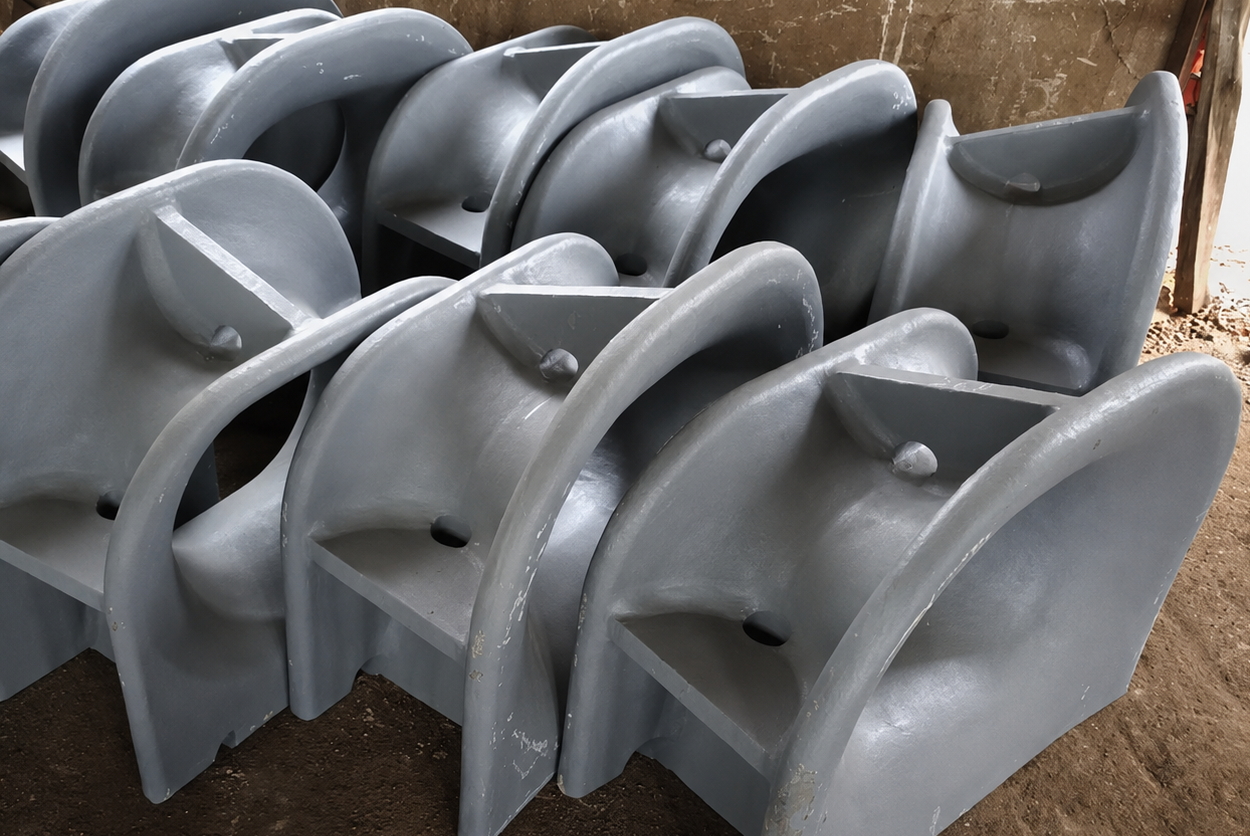
How to Install and Maintain Mooring Chocks for Safe and Reliable Berthing Operations-Part 2
Selecting the Best Material
Material quality directly affects the durability and lifespan of mooring chocks in harsh marine environments.
High Mechanical Strength
Cast steel and high-strength alloy steel are widely used because they can withstand substantial mooring forces without deformation or failure.
Excellent Corrosion Resistance
Continuous exposure to seawater accelerates corrosion. Stainless steel or specially treated marine-grade steel offers superior resistance against rust and extends service life.
Wear Resistance
Repeated contact between ropes and the chock surface causes wear over time. Smooth finishes and protective coatings help reduce friction, minimizing damage to both the mooring lines and the equipment.
Best Practices for Mooring Chock Installation
Correct installation is essential to achieve the designed load capacity and ensure safe operation.
Determine the Correct Position
Carefully evaluate the vessel’s mooring arrangement before installation. The chocks should be positioned to provide straight rope leads while minimizing excessive bending or side loading.
Prepare the Mounting Surface
The installation area must be structurally sound, clean, and free from rust, oil, paint defects, or other contaminants that could affect fastening quality.
Use Proper Fasteners
Select corrosion-resistant bolts, studs, or welding materials that meet the required strength specifications. Using high-quality fasteners improves long-term structural stability.
Secure and Align the Chock
Install the chock according to engineering drawings and manufacturer recommendations. Proper alignment prevents uneven loading and excessive rope wear during operation.
Conduct Final Inspection
After installation, verify that all fasteners are tightened to the required torque, welds meet quality standards, and the chock remains firmly secured without movement.