How to Install and Maintain Mooring Chocks for Safe and Reliable Berthing Operations-Part 1
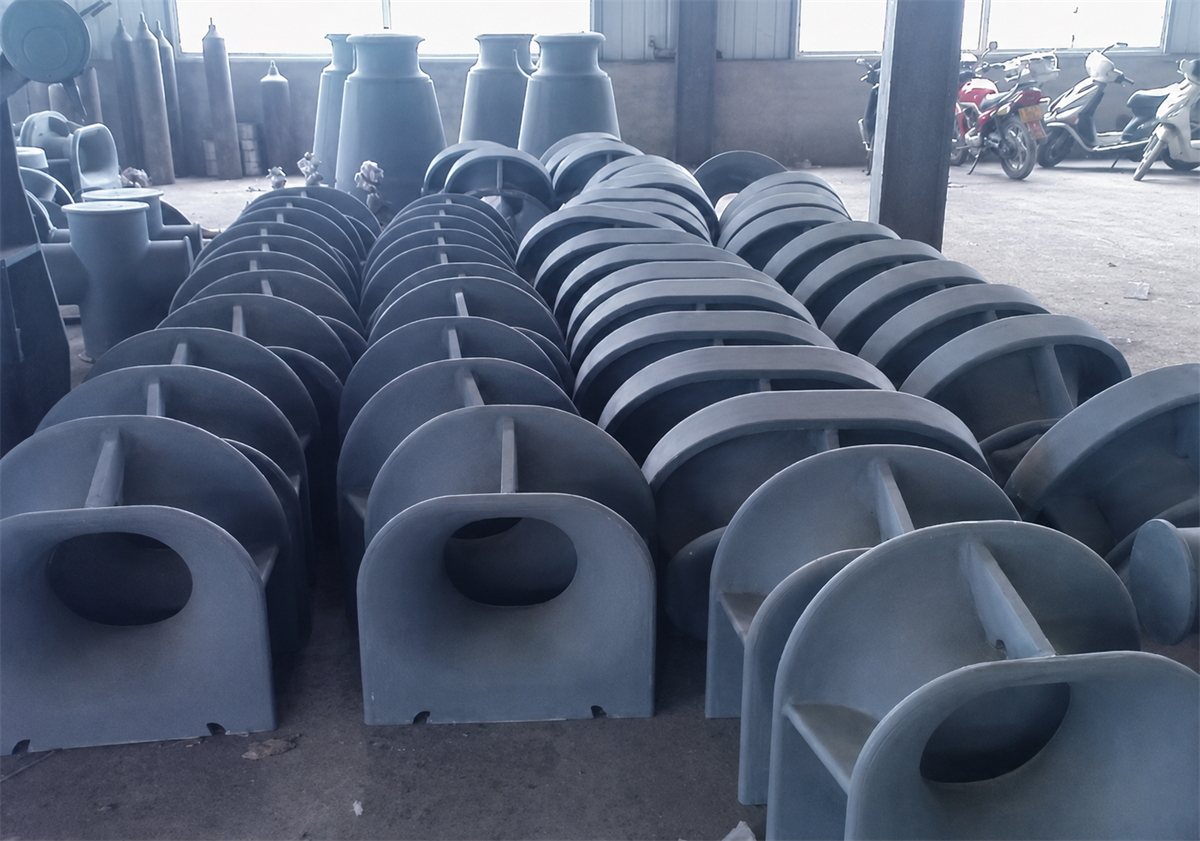
Mooring chocks are indispensable components of a vessel's mooring system, guiding mooring lines while minimizing friction and distributing loads during docking and undocking operations. Properly designed and installed mooring chocks not only improve mooring efficiency but also reduce stress on ropes, protect the vessel's structure, and enhance overall operational safety.
To maximize their service life and performance, shipowners, shipyards, and port operators should understand the key considerations for selecting, installing, inspecting, and maintaining mooring chocks. This guide outlines the best practices for ensuring reliable performance throughout their operational lifespan.
Choosing the Right Mooring Chock
Selecting an appropriate mooring chock depends on several operational and environmental factors.
1. Vessel Type and Size
Different vessels generate different mooring loads. Large cargo ships, tankers, offshore vessels, and passenger ships all require mooring chocks capable of handling their specific line tensions and mooring arrangements.
2. Berthing Environment
Operating conditions significantly influence chock selection. Ports exposed to strong winds, heavy waves, tidal currents, or frequent vessel movement often require heavy-duty mooring chocks designed to withstand higher dynamic loads.
3. Mooring Rope Specifications
The diameter, construction, and material of mooring ropes should be compatible with the chock dimensions. Proper matching helps reduce rope abrasion, maintains correct lead angles, and ensures even load distribution during operation.
4. Installation Location
The available deck space, vessel structure, and port infrastructure should all be considered before selecting a chock design. Weld-on and bolt-on configurations should be chosen according to installation requirements and maintenance accessibility.
5. Compliance with Industry Standards
Mooring chocks should comply with internationally recognized standards such as ISO, JIS, DIN, or classification society requirements to guarantee safety, reliability, and consistent performance.
Previous:What is Ship Launching Airbag?