How to Install and Maintain Mooring Chocks for Safe and Reliable Berthing Operations-Part 3
Routine Maintenance for Long-Term Performance
Preventive maintenance greatly reduces unexpected failures and extends equipment life.
Regular Cleaning
Remove salt deposits, dirt, marine growth, and other contaminants that can accelerate corrosion or interfere with normal operation.
Lubrication
For roller or movable-type mooring chocks, lubricate bearings, hinges, and moving parts according to the manufacturer’s maintenance schedule to reduce friction and wear.
Corrosion Protection
Inspect protective coatings regularly and repair damaged paint or anti-corrosion systems before corrosion spreads.
Tightening Inspection
Periodically check bolts, nuts, and other fastening components. Any loose hardware should be tightened or replaced immediately.
Inspection Checklist
Routine inspections help identify potential problems before they become safety hazards.
Inspect the following items regularly:
· Surface cracks or structural deformation
· Corrosion, pitting, or excessive wear
· Loose or missing fasteners
· Alignment of the chock
· Smooth rope passage and operating condition
· Signs of overload or permanent deformation
If any abnormalities are detected, corrective action should be taken immediately.
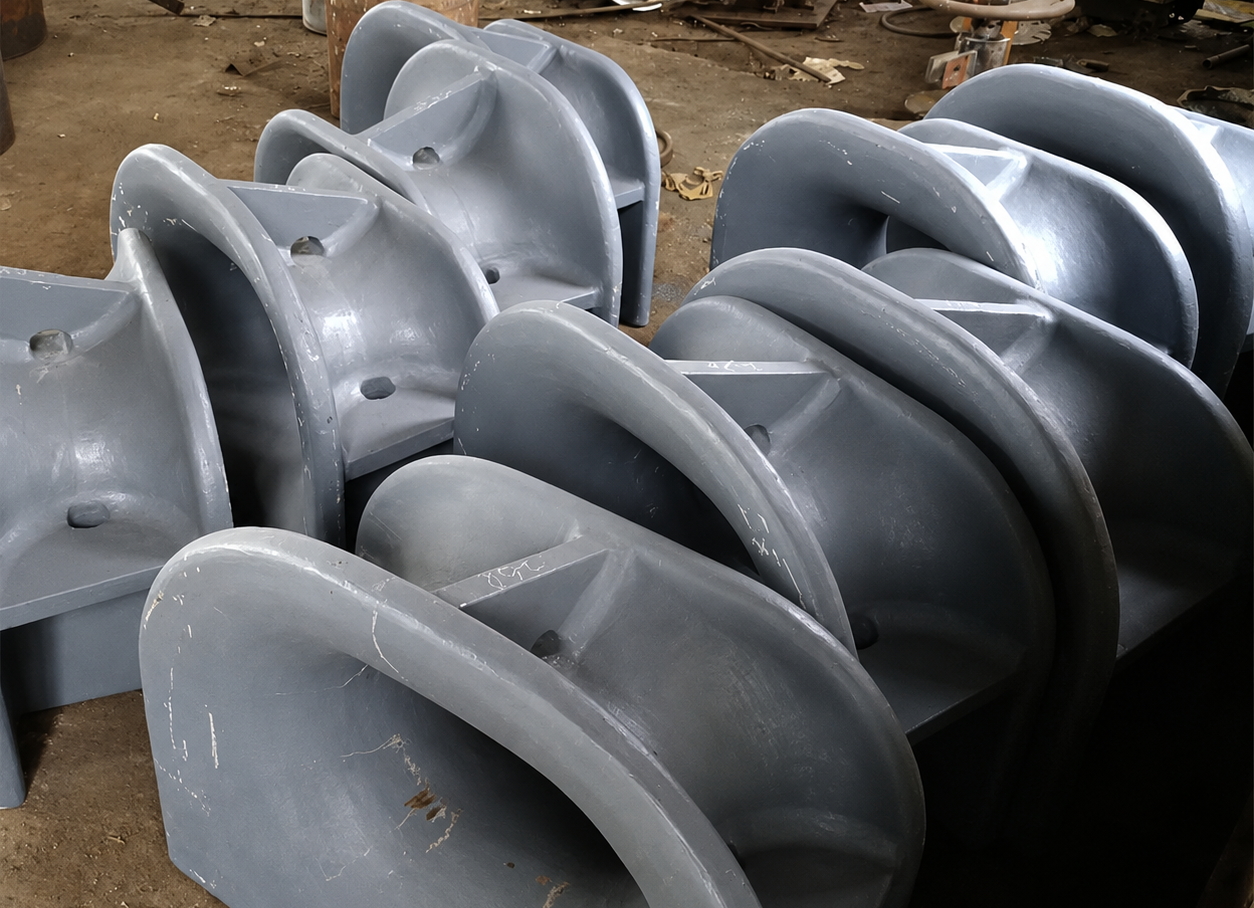
Repair or Replacement?
The decision depends on the severity of the damage.
Minor Damage
Small surface defects, light corrosion, or minor wear can often be repaired using approved maintenance procedures without replacing the entire unit.
Severe Damage
If the mooring chock has structural cracks, excessive deformation, or has lost its original load-bearing capability, replacement is the safest and most cost-effective solution.
Component Replacement
Individual parts such as rollers, pins, bearings, or fasteners can usually be replaced separately, provided replacement components meet the original specifications.
Maintain Complete Maintenance Records
Keeping detailed maintenance documentation allows operators to:
· Track inspection history
· Schedule preventive maintenance
· Monitor equipment condition over time
· Demonstrate compliance during audits
· Improve long-term asset management
Accurate records also help identify recurring issues and reduce future maintenance costs.
Conclusion
Proper selection, professional installation, and routine maintenance are the foundation of reliable mooring chock performance. By choosing suitable materials, following recommended installation procedures, conducting regular inspections, and addressing wear before it becomes critical, shipowners and port operators can significantly improve mooring safety, reduce operational downtime, and extend equipment service life.
Investing in high-quality mooring chocks and implementing a proactive maintenance program ultimately enhances the efficiency, safety, and reliability of every berthing operation.