Products
- Anchor Chain
- Marine Anchor
- AC-14 HHP Anchor
- CJ-14SB HHP Anchor
- Danforth HHP Anchor
- Delta HHP Anchor
- CJT-20 HHP Anchor
- MK5 Anchor
- Matrosov Anchor
- D-HONG HHP Anchor
- Pool HHP Anchor Type N
- CJN-SB Type HHP Anchor
- GB 11579-89 Light Weight Anchor
- Spek Anchor
- Typeb A.B.C Hall Anchor
- Japan Stockless Anchor
- Japan Stock Anchor
- U.S.N Stockless Anchor
- Beldt Stockless Anchor
- Admiralty Anchor
- Single Fiuke Anchor
- Stainless Steel Anchor
- Marine Outfitting Equipment
- Marine Buoys
- Marine Equipment
- Rigging Hardware


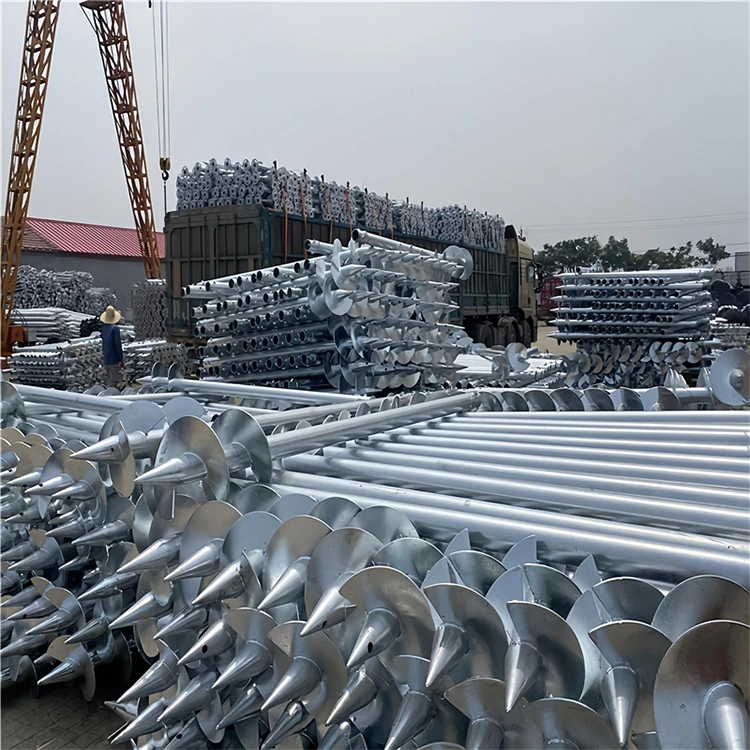
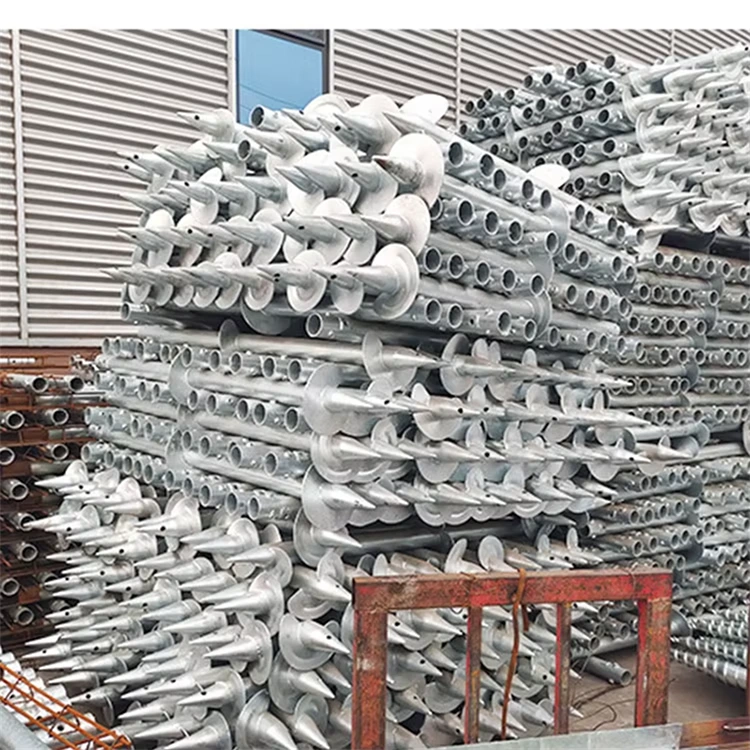
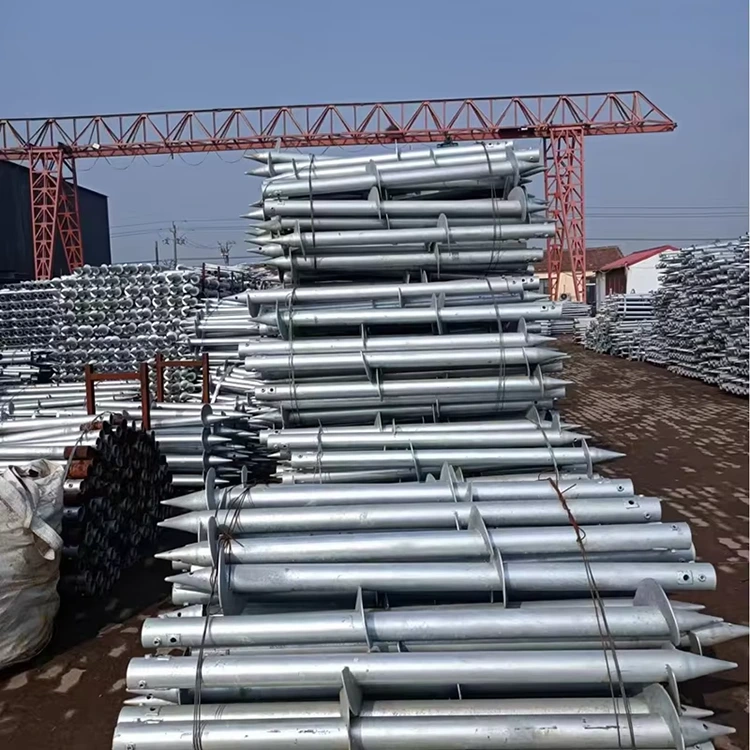
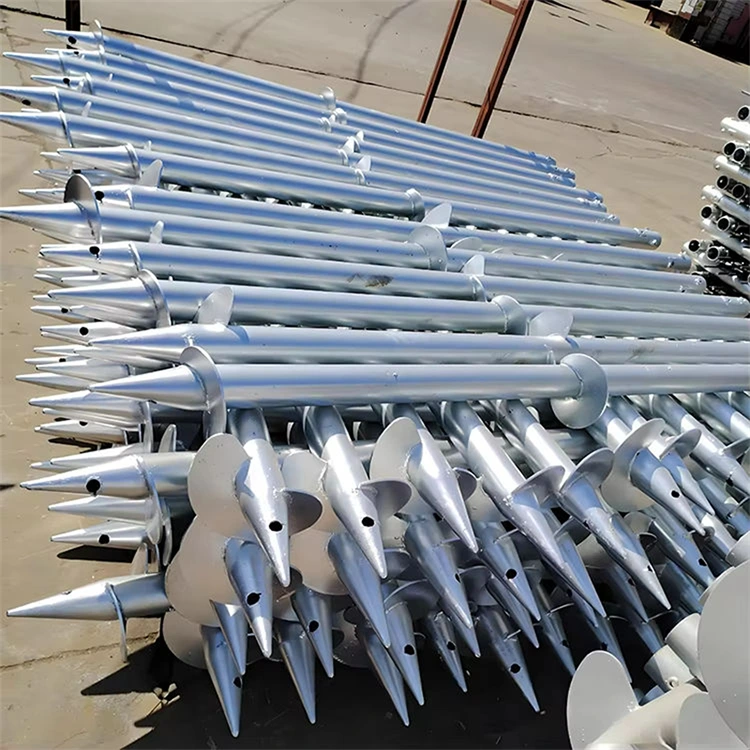
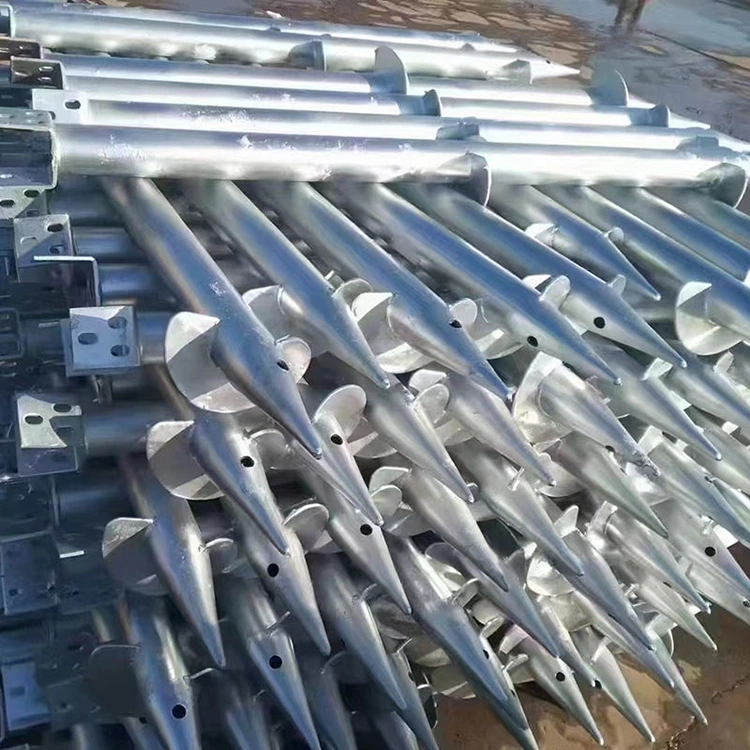
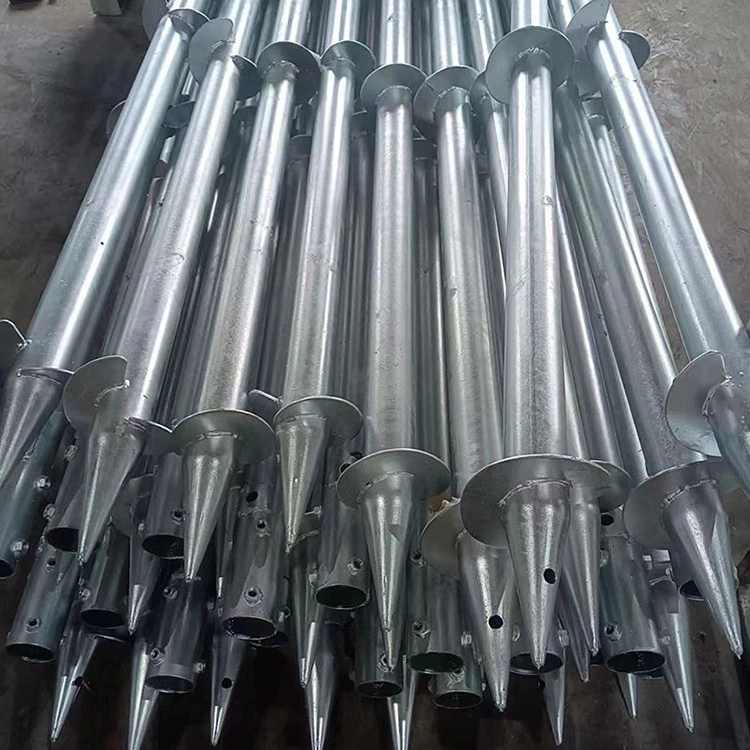
Helical/Screw Pile
Andy Marine is a professional enterprise specializing in the design, production, and sales of helical piles. With years of engineering experience and strict quality control, Andy Marine's helical piles boast advantages such as good stability, high reliability, high pull-out strength, corrosion resistance, easy construction, and long service life.
Our helical pile products are widely used in wharf foundations, dike protection, photovoltaic power station foundations, power transmission and communication tower foundations, road and transportation facilities, and residential foundations. We offer a variety of products, including large-diameter helical piles, multi-blade helical piles, hot-dip galvanized anti-corrosion helical piles, and customized helical piles, to meet the needs of different operating conditions.
Send Inquiry
Product Description
Helical pile (or screw pile) is a deep foundation component made primarily of high-strength steel, with helical blades (helical flights) that are mechanically screwed directly into the soil. It relies on the compaction and friction between the blades and the soil to transfer the vertical compressive, tensile, or horizontal loads from the superstructure to the stable bearing layer, achieving reliable load-bearing capacity.
1.Helical/Screw Pile Product Features
•Fast construction: Rotary penetration eliminates the need for large-scale excavation and concrete curing; a single pile can typically be completed in minutes to tens of minutes.
•Low disturbance: Soil is displaced rather than excavated, minimizing environmental impact and making it suitable for urban areas and ecologically sensitive zones.
•Quantifiable: Installation torque is directly related to bearing capacity, allowing for real-time verification and quality control.
•Corrosion resistant: Commonly uses hot-dip galvanized steel, adaptable to corrosive environments such as coastal areas and frozen soil.
•Recyclable: Temporary projects can be pulled out and reused, making it green and low-carbon.
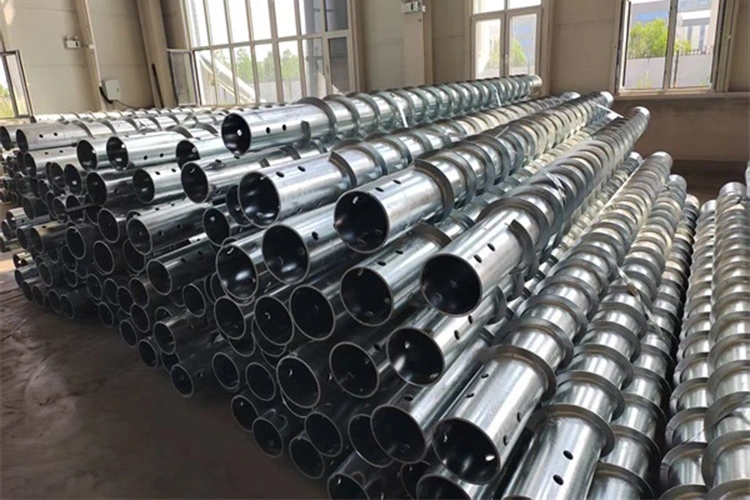
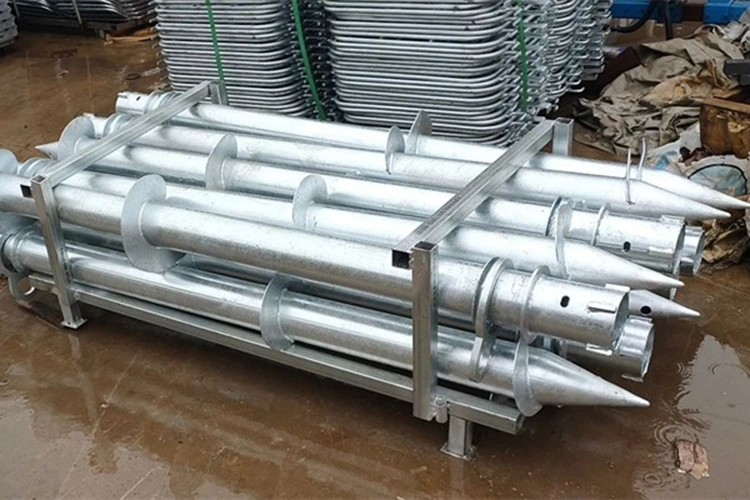
2.Helical/Screw Pile Core Components
The helical pile foundation system consists of three parts:
•Center Steel Shaft: Typically made of galvanized or corrosion-resistant steel pipe/round steel, providing strength and connection.
•Helical Blades: Helical metal blades welded to the shaft, determining the way the pile is driven into the soil, its load-bearing capacity, and its suitability for the geological conditions.
•Connecting Components: Flanges, joints, or extension sections, used for connection to the superstructure or to extend the pile shaft.
Each component works together to create a strong and stable foundation for your project. The threads help tighten the foundation into place and keep it secure, while the top bracket can be used to secure and level any structure you are building.
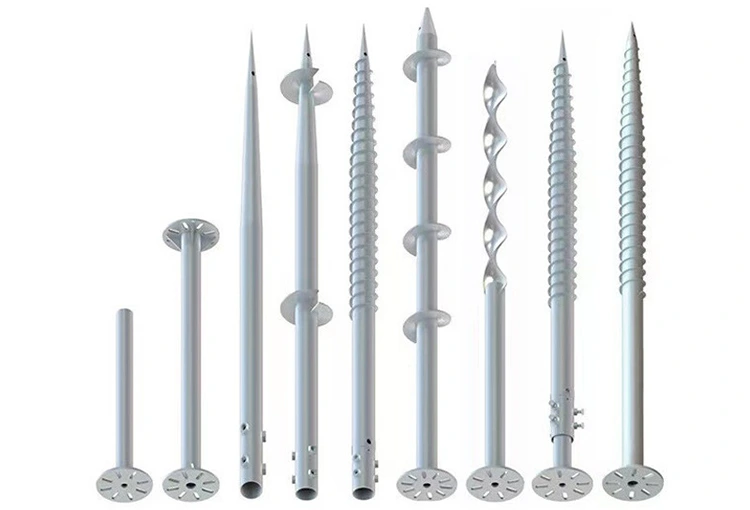
3.Helical/Screw Pile Production Process

• Raw Material Inspection: High-strength steel is selected. Upon arrival, the material and mechanical properties are tested, and only qualified materials are used.
• Pile Shaft Machining: CNC cutting, pipe rolling, and straightening ensure accurate dimensions and straightness.
• Spiral Blade Forming: Spiral blades are formed using advanced equipment, ensuring uniform pitch and standard dimensions.
• Welding: The blades are welded to the pile shaft, resulting in full, stable welds.
• Weld Treatment: Post-weld grinding and ultrasonic testing eliminate defects such as cracks and porosity.
• Corrosion Protection: The entire structure is hot-dip galvanized, resulting in a uniform and thick zinc coating that is corrosion-resistant and has a long service life.
• Finished Product Inspection: Dimensions, appearance, zinc coating thickness, and welding quality are checked, and all products pass inspection.
• Packaging and Shipment: Protective packaging and categorized stacking ensure undamaged transport.
4.Comparison of Helical/Screw Pile and Traditional Pile Foundations
Screw Pile
Construction Method: Rotary screwing, no excavation required
Construction Speed: Fast, single pile completed in 10 minutes, ready to use immediately
Environmental Impact: No noise, no vibration, no soil removal
Recyclability: Recyclable and reusable
Geological Adaptability: Suitable for soft soil, sandy soil, frozen soil, and tidal flats
Cost and Time: Low cost, short construction period
Traditional Pile Foundation (Concrete Pile)
Construction Method: Excavation, erecting molds, concrete pouring
Construction Speed: Slow, requires 7–28 days of curing
Environmental Impact: High noise, high vibration, high dust, high soil removal
Recyclability: Not recyclable
Geological Adaptability: Poor adaptability to complex geological conditions
Cost and Time: High cost, long construction period
5.Application of Our Helical/Screw Pile
• New Energy: Photovoltaic support structures, small wind turbine foundations
• Construction: Light steel villas, mobile homes, log cabin foundations
• Municipal Transportation: Guardrails, streetlights, billboards, signposts
• Agricultural Greenhouses: Greenhouses, grape trellises, shade sheds
• Power and Telecommunications: Utility poles, communication towers, base station foundations
• Docks and Waterways: Floating docks, yacht marinas, piers, floating platforms
• Garden Boardwalks: Wooden boardwalks, pavilions, pergola foundations
• Special Geological Conditions: Soft soil, sandy land, tidal flats, frozen soil, environmentally restricted excavation areas
6.FAQ
Q1. Which soil types are suitable for helical pile construction?
Helical pile perform well in clay, sand, silt, fill, and many granular soils. For very dense gravel or rock, pre-drilling or other solutions may be necessary.
Q2. Can helical pile be removed or reused?
Yes. Through a reverse installation process, the pile foundation can be completely removed, enabling temporary works, reducing scrap and waste, and supporting redeployment strategies.
Q3. How does the cost of helical pile compare to other pile foundations?
On many construction sites, helical pile are cheaper to install because they allow for faster construction, require no excavation or maintenance, involve less vehicle transport, and can be delivered earlier.
Q4. What is the typical design life? How is corrosion controlled?
The pile body is constructed of high-quality steel and protected with galvanizing and/or a specific coating. Environmental exposure factors and sacrificial layer thickness are considered in the design to achieve the asset's required expected design life.
Hot Tags: Helical/Screw Pile, China, Manufacturer, Supplier, Factory
Related Category
Send Inquiry
Please feel free to give your inquiry in the form below. We will reply you in 24 hours.
Related Products